Lion
Authority
Presence, excellence, a natural sense of command.
Shadow — Domination, and an anger that is hard to govern.
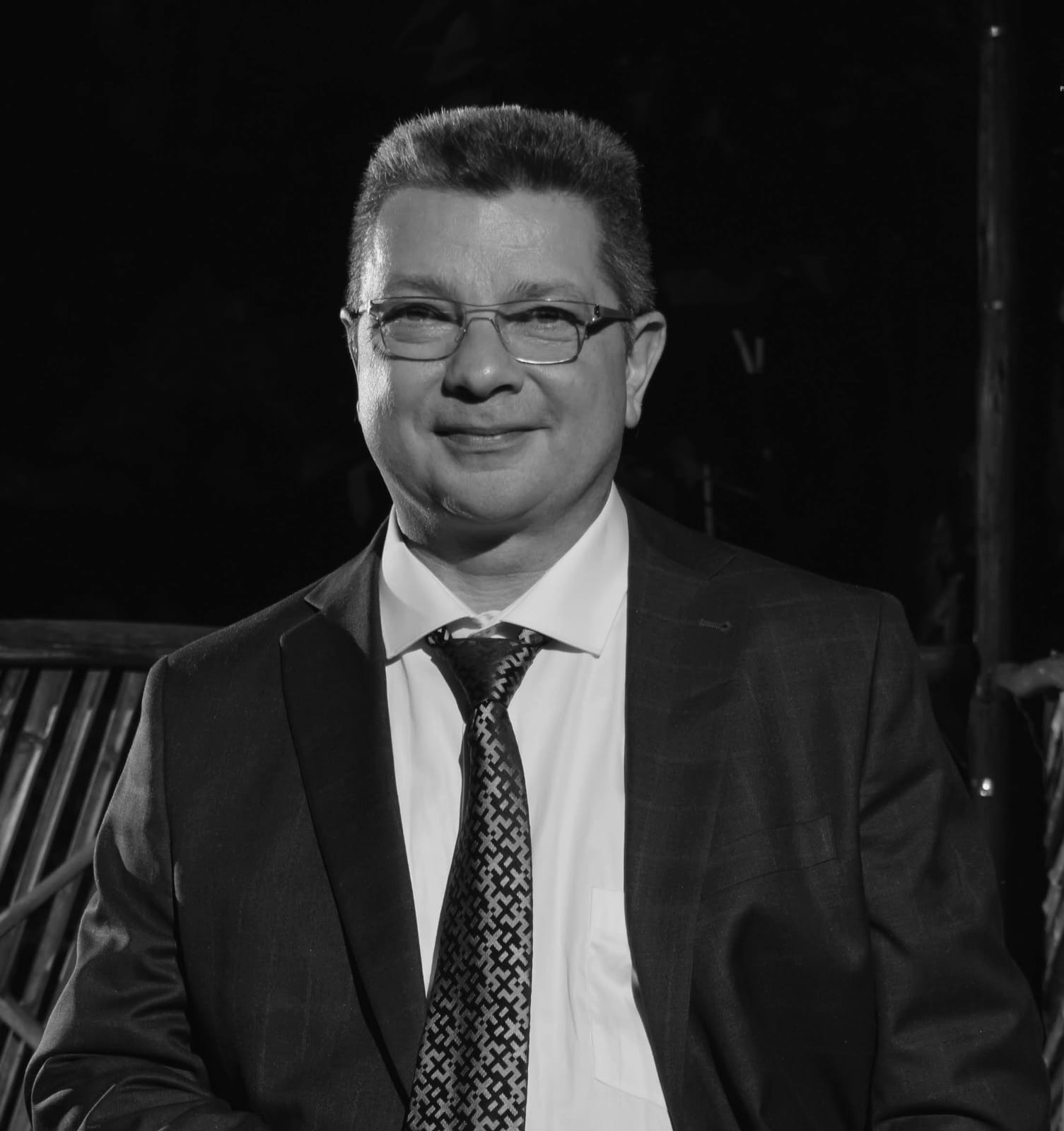
For three decades, I have studied facial structure, movement, and expression as subtle reflections of the individual behind them.
Through morphopsychology, I explore the relationship between form, movement, and personality, with an approach shaped by years of observation, study, and practice.
30
years of practice
Morphopsychology studies the relationship between the shape of a face and the way a person engages with the world. It reads proportion, relief and expression rather than standardised beauty, and observes how a face adapts over a lifetime.
In other words, it explores how the forms and dynamics of the face may reflect an individual’s temperament, emotional tendencies, strengths, weaknesses, and ways of relating to the world.
Three details, three tendencies. Each is meaningful only in relation to the whole face.
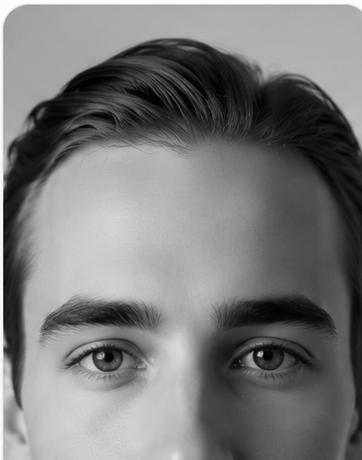
Suggests a mind that gathers context before acting — reflection leads.
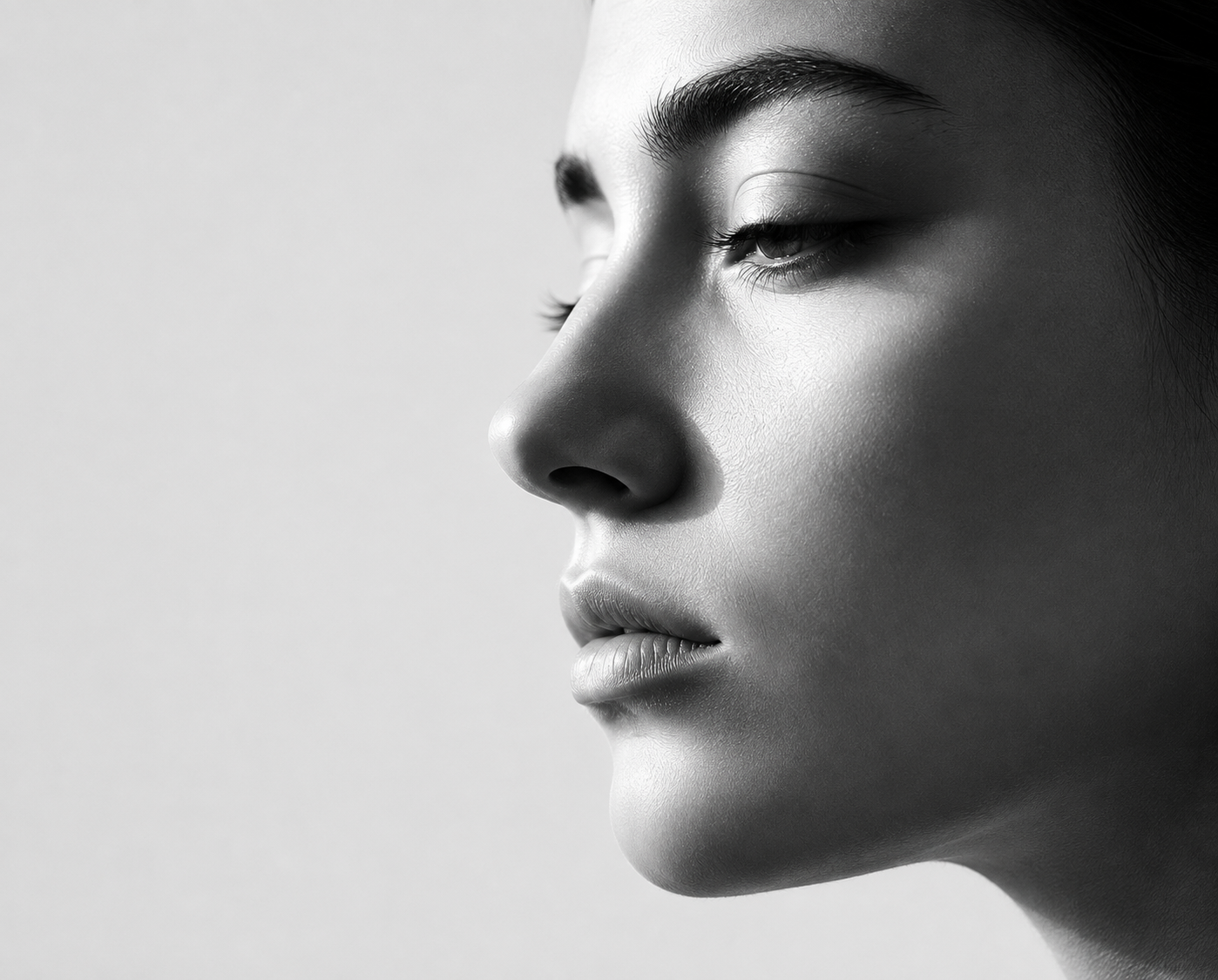
A discreet, reserved nature, revealing the inner world selectively rather than openly.
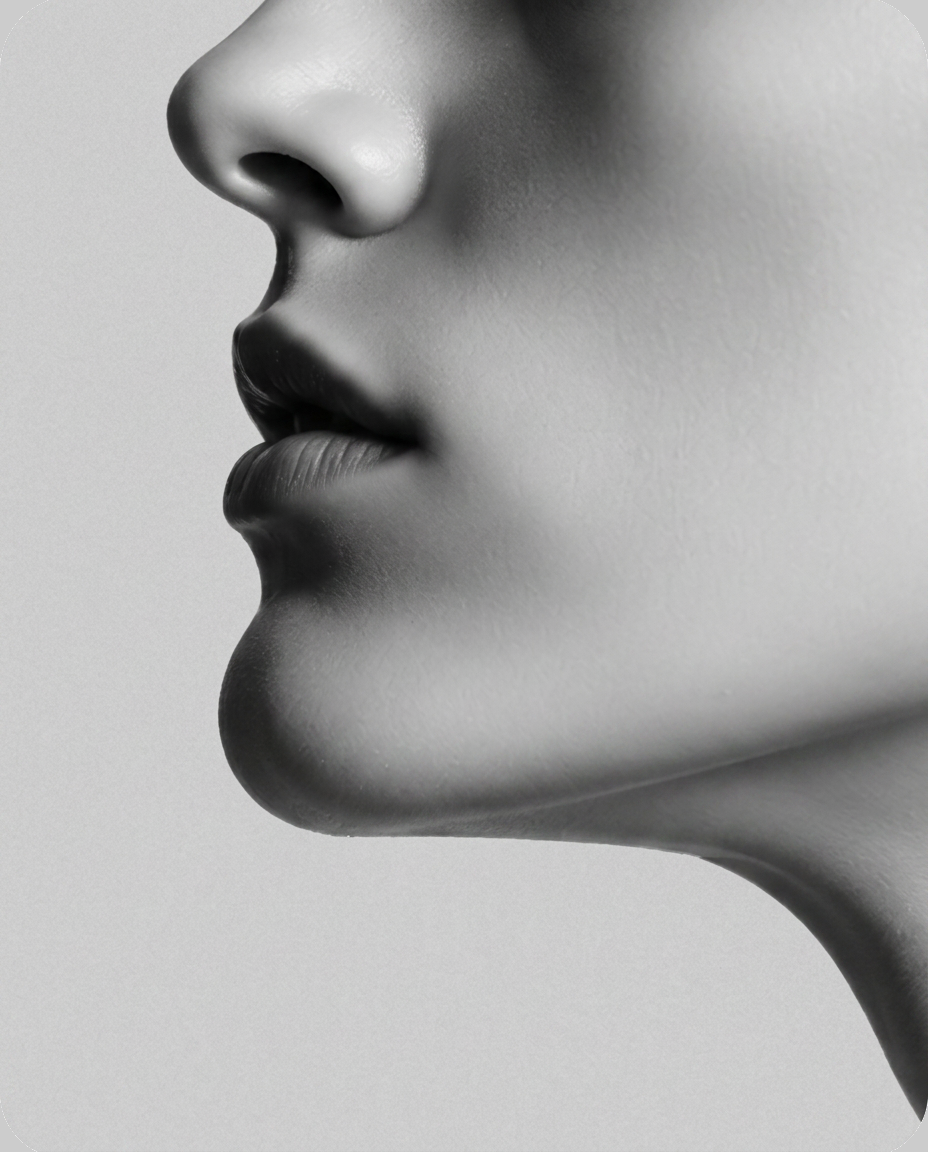
Reflects a need to guard their own principles and people around them, and the will to assert oneself.
Discovering the archetype that echoes through your nature.
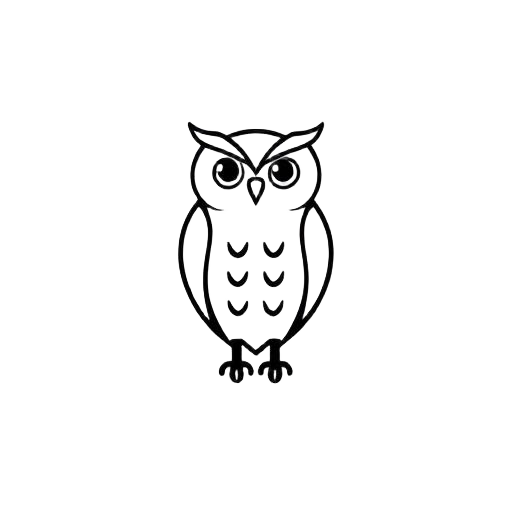
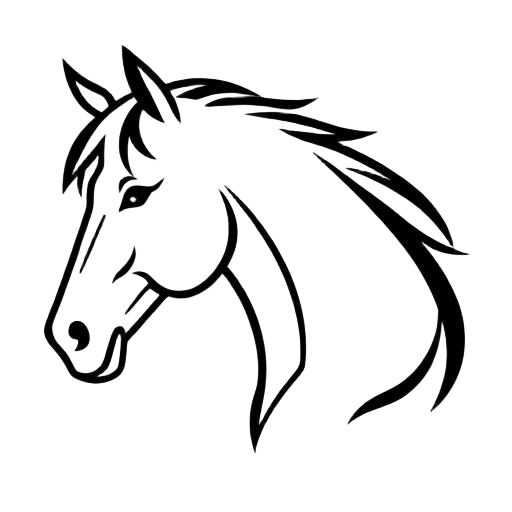
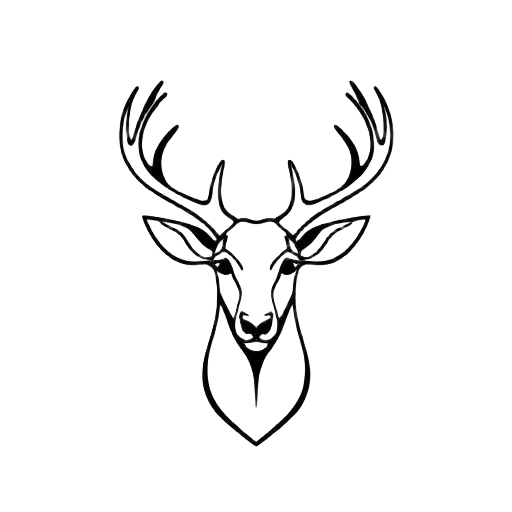
Animals have long carried qualities that ordinary language struggles to hold: the authority of the lion, the vigilance of the owl, the freedom of the horse, the sensitivity of the deer. We recognise them long before we can explain them.
A totem is not an animal one resembles or admires. It is an archetypal pattern of behaviour and perception — something already rooted in a person’s nature. The animal becomes a mirror.
~THESE ARE JUST 4 EXAMPLES OF THE VAST ANIMAL VARIETY.~
Authority
Presence, excellence, a natural sense of command.
Shadow — Domination, and an anger that is hard to govern.
Vigilance
Attention, discernment, patience before acting.
Shadow — Withdrawal, and analysis that never quite ends.
Freedom
Loyalty, movement, endurance over long distances.
Shadow — Restlessness, and resistance to any constraint.
Sensitivity
Receptivity, gentleness, unusually fine perception.
Shadow — Vulnerability, and a tendency to avoid confrontation.
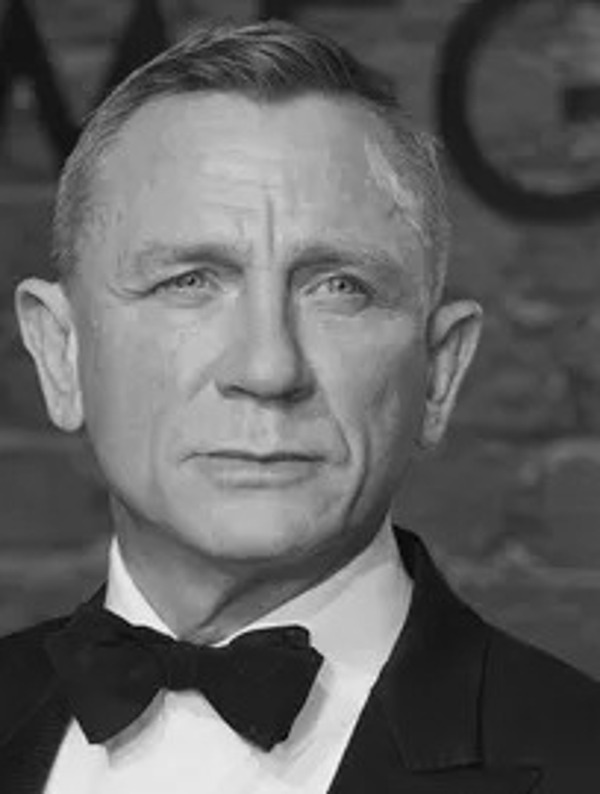
Within this symbolic reading, Daniel Craig embodies the lion. His gaze is analytical and direct — a quiet “Me–You” awareness that seems to observe before it reacts.
Yet beneath that sharp attention lies a calm, serious presence, touched by a subtle melancholy. It suggests the weight of responsibility, self-discipline, and an inner demand for excellence.
Like the lion, his strength is not expressed through constant force, but through restraint, presence, and controlled intensity, all seen through his eyes.

Where the method begins: observing the person before the words begin.
Our first impression of another person is formed remarkably quickly. The face, expression and physical presence participate in this perception, often before conscious reasoning has had time to intervene. Morphopsychology begins with this simple observation and asks whether these impressions can be explored more deeply.
A meeting of philosophy, medicine and ancient traditions.
The method developed through the meeting of very different traditions: Taoist and Confucian philosophy, Plato's ideas, homeopathic thought, Indian traditions and the later work of Rajan Sankaran. Each contributes a different perspective on the relationship between the visible world, the inner nature of a person and the forces that shape behaviour.
What lies beneath appearance: personality, intuition and the connection between body and mind.
Every individual possesses a distinctive nature. The project explores how this nature may express itself through both the psychological and physical dimensions of a person, and how intuition can sometimes perceive qualities that language struggles to describe.
The face as a visible language of tendencies.
Morphopsychology approaches the face as a composition of different regions and features. The forehead, eyes, iris, mouth, jaw and chin each contribute a different piece of information, but their meaning emerges from the way they interact within the whole face.
When facial tendencies take symbolic form.
The totem introduces a symbolic dimension to the reading. Rather than describing a person only through psychological terms, the method uses animal, vegetal and mineral archetypes to give a recognizable form to combinations of tendencies, instincts and qualities.
From individual features to the portrait of a whole person.
No single feature can describe an individual. The deeper reading emerges when facial structure, expression, behavioural tendencies and archetypal qualities are considered together, allowing the different parts of the method to converge into a single portrait.
A few of the things most often asked before a first reading.
Want to keep exploring morphopsychology? Receive occasional notes on face reading, temperament, and practical insight.